Workshops
Supporting Devices in Pulmonary Rehabilitation
All workshops are: free and available only to registered congress participants.
Limited to 20 participants each.
In-Exsufflator and its practical application in Pulmonary
Rehabilitation
Room: Álamos (Hotel)
Speaker: Tiago Henriques
Speaker: Carlos Figueiredo
Thursday, March 26, 2026
18:00 - 19:00

Inhalers devices and teaching of inhalation technique
Room: Salão Nobre (Vista Alegre Museum)
Coordinator: Cláudia Simões (USLR Leiria)
- Bachelor's degree in Nursing since 2008
- Specialist in Rehabilitation Nursing since 2023
- Nurse in the Pulmonology Department of the Leiria Region Local Health Unit since 2015
Thursday, March 26, 2026
18:00 - 19:00
Deambulation Oxygen Therapy: Indications
Room: Álamos (Hotel)
Coordinator: Maria João Silva (ULSR Leiria)
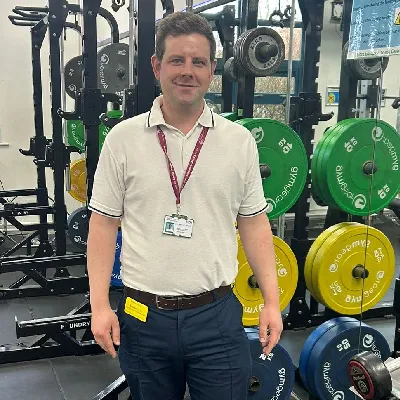
Speaker: Stuart Clarke (Harefield Hospital)
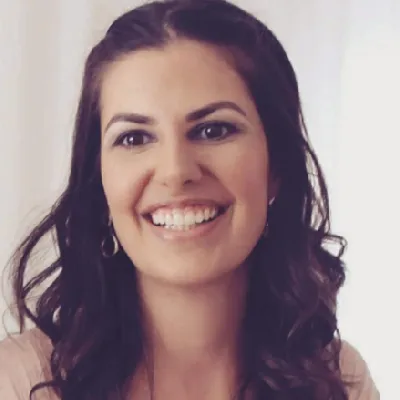
Speaker: Maria João Silva (ULSR Leiria)
Friday, March 27, 2026
17:30 - 18:30


Transcutaneous Electrotherapy and Virtual Reality: from ICU to the
ward
Room: Salão Nobre (Vista Alegre Museum)
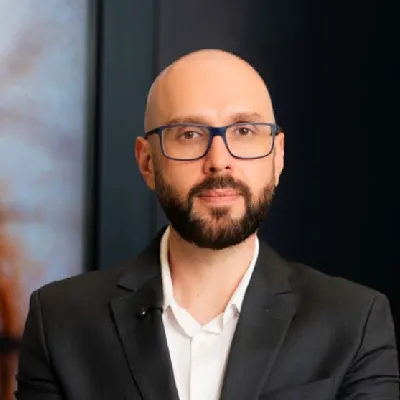
Coordinator: Darlan Nitz (Instituto Repor, Brasil)
Friday, March 27, 2026
17:30 - 18:30